

Women’s football has changed quickly, and in ways that are hard to ignore. Participation is rising at grassroots level, professional leagues are drawing more attention, and young girls now growing up seeing a career in football as a genuine option rather than something out of reach. From local clubs to the Women’s Super League, the women’s game feels more competitive and more demanding than it did even a few years ago.
That progress brings new expectations. As the game develops, players are being asked to cope with higher standards at younger ages. Technical confidence, decision-making under pressure and long-term development are no longer things that arrive later on. They shape progression much earlier. The challenge now is making sure the environments players train in are actually helping them keep up.

The Rapid Growth of Women’s Football in the UK
The growth of women’s football in the UK has been steady for some time, but recent years have pushed it forward at a faster pace. Greater visibility at elite level, particularly through the Lionesses and the Women’s Super League, has played a big part in changing how the sport is viewed. More girls are joining clubs earlier, and clearer pathways into football have started to take shape.
As participation grows, the differences between playing football and developing within it become harder to ignore. Clubs are now working with players who arrive with very different backgrounds, expectations and levels of confidence. That shift changes what effective development actually looks like. If the women’s game is to keep improving, the environments players spend time in will need to evolve, not just expand.
Why Player Development Matters More Than Ever in the Women’s Game
As women’s football continues to grow, development has become a bigger talking point at every level. More players are entering the game, competition is increasing, and progression is no longer guaranteed simply through match experience. The demands placed on players now appear earlier, which makes how they develop just as important as where they play.
The modern women’s game leaves very little time or space on the ball. Players are expected to receive under pressure, make decisions quickly and stay composed in tight situations. Those qualities are difficult to build through matches alone, especially in environments where results naturally take priority. Without the right support, technically capable players can struggle to show what they are capable of.
This is why development environments matter so much. Players need settings where they are encouraged to stay involved, solve problems and make mistakes without fear. When confidence, awareness and ability are developed together, progression becomes more sustainable and players are better prepared for the realities of the modern game.
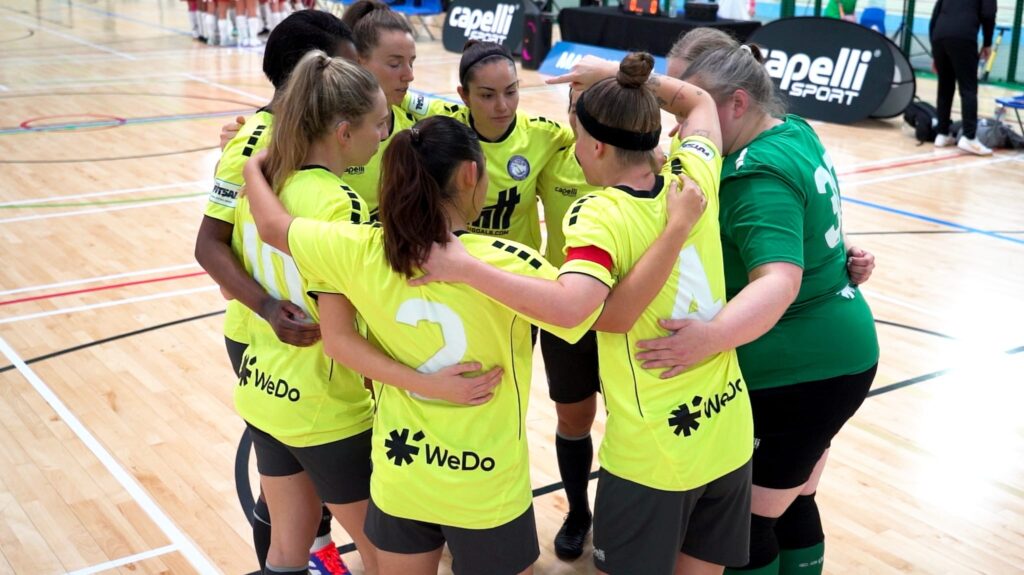
Technical Confidence Is the Biggest Separator in Women’s Football
As women’s football has developed, the gap between players often shows up when the game stops feeling comfortable. Space disappears quickly, pressure arrives early, and there’s less time to settle on the ball. In those moments, technical confidence tends to influence what a player does next more than strength or speed.
Some players stay present even when things aren’t going well. They continue to show for the ball, try to play through tight areas, and remain involved after a mistake. Others, despite having similar ability, begin to play safer or stop asking for it altogether. That shift usually isn’t about talent. It’s more often linked to how familiar players are with operating under pressure.
Confidence like this isn’t switched on through instruction. It’s shaped gradually, through repeated exposure to uncomfortable situations where decisions have to be made quickly and outcomes can’t be avoided. When players experience those moments often enough, they stop feeling unusual. The game feels calmer, even as it speeds up.
Why Traditional Training Alone Isn’t Always Enough
Outdoor football will always be central to how players learn the game, but on its own, it doesn’t always expose players to the situations they struggle with most. Training sessions are shaped by time, numbers and space, and that can mean long spells where players are involved less than it appears from the sidelines.
In many grassroots environments, sessions naturally drift towards match play. That’s understandable, but it often leads to uneven involvement. Some players see lots of the ball, while others spend large parts of sessions reacting rather than engaging. When space opens up, decisions slow down, and players can get used to having more time than the modern game usually allows.
None of this makes traditional football training wrong. It simply means certain skills are harder to develop consistently within one format. As standards in the women’s game continue to rise, relying on matches alone doesn’t always prepare players for the pressure they eventually face.

How Futsal Supports Women’s Football Development
Futsal tends to change how players experience the game almost straight away. The smaller space and quicker tempo mean there’s very little time to switch off or drift through sessions. Players are involved more often, whether they feel ready or not, and that alone alters how they approach the ball.
With less room to work in, decisions have to be made earlier. Players receive the ball under pressure, often with limited options, and learn to adjust quickly. There’s no long recovery run to fall back on and no extra space to hide in. If a touch is loose or a decision is late, it becomes obvious immediately.
That constant involvement is where futsal becomes useful for development. Players start to feel more comfortable when the game speeds up because they’ve already spent time dealing with similar situations. For many women footballers, it provides a setting where learning happens naturally, without the session needing to feel like formal training.
What Women Footballers Learn From Playing Futsal
One of the first things players notice when they play futsal regularly is how often they’re involved. Touches come quickly, and there’s very little downtime. That constant engagement changes habits over time, especially around how players receive the ball and react to pressure.
As space is limited, players learn to protect possession instinctively. Body position, awareness of opponents and quick movement off the ball start to matter more than outright speed. Passing becomes sharper, not because it’s coached repeatedly, but because it has to be. Loose touches or slow decisions rarely go unpunished.
Perhaps the most noticeable change is confidence. Players become more willing to take responsibility, even when options feel limited. Over time, that carries into outdoor football. Situations that once felt rushed or uncomfortable start to feel familiar, and players are able to stay composed rather than panicking when the game tightens up.
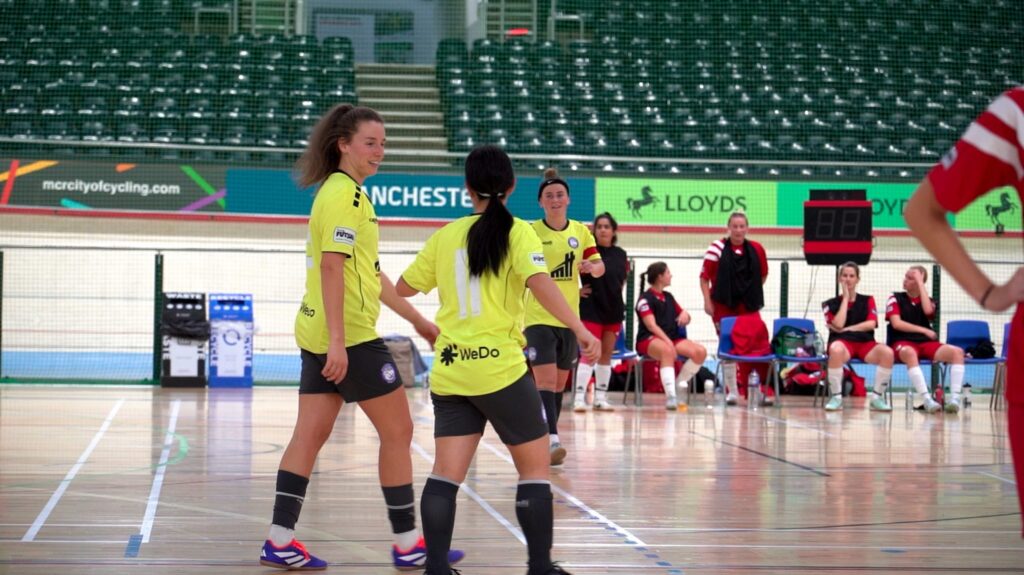
Why Futsal Often Clicks for Girls and Young Women
Confidence in football is a strange thing. Two players can have the same ability on paper, but feel completely different once a game starts. For a lot of girls and young women, that gap shows up more in busy matches, where play opens up quickly and physicality creeps in. It is easy to end up chasing the game rather than shaping it, especially if you are still finding your voice on the pitch.
Futsal changes that experience in a very practical way. The space is smaller, the ball never really goes away, and you are involved whether you want to be or not. There is less time to hide, but that is not a bad thing. Players who might stay quiet outdoors often find themselves naturally pulled into play indoors, simply because the game demands it.
Another thing that stands out is how quickly moments pass – a mistake rarely becomes a big event. The ball is back in play, someone else has a decision to make, and the game keeps moving. Over a few sessions, you can see players relax into it, they ask for the ball more, they try things they would normally avoid. That shift, from playing safely to playing with intent, is often where confidence actually starts to grow.
Where Futsal Sits in the Women’s Game Now
Futsal tends to work best when it sits alongside football, not when it tries to replace it. In reality, many clubs turn to it for very practical reasons. Pitches get waterlogged, training slots are short and numbers fluctuate. An indoor session suddenly makes sense.
With games being short and substitutions being constant, players stay involved without being pushed too hard physically. You still get repetition and intensity, but without the same wear and tear as a full outdoor session. For coaches, that makes futsal easier to use during the season, not just as something that happens in the winter or off-season.
In the context of the modern women’s pathway, futsal is less about creating specialists and more about shaping confident, adaptable players. Used well, it adds another layer to development rather than another demand.
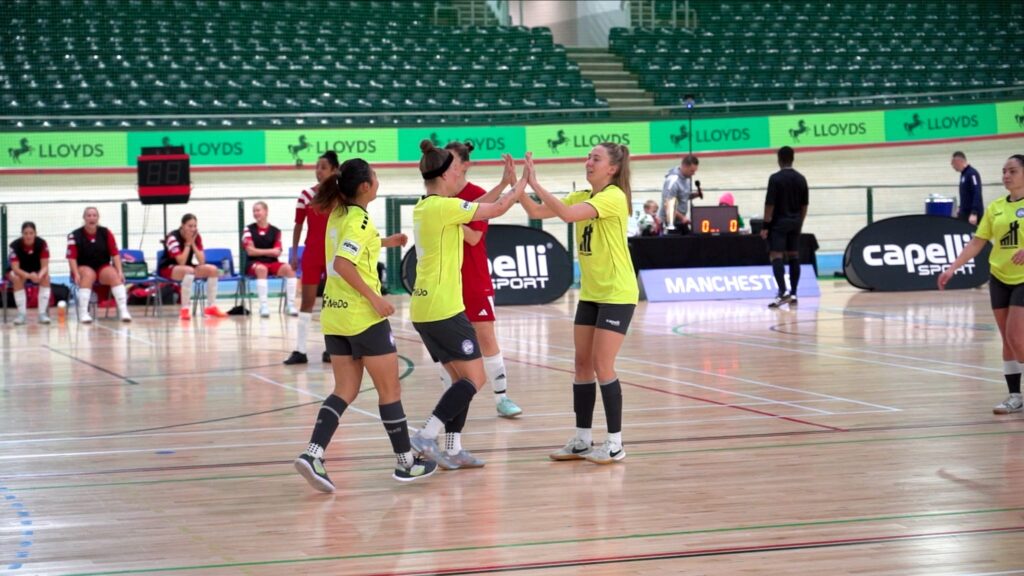
Women’s Futsal and Development in Manchester
In Manchester, futsal has started to play a more practical role in player development, especially where space, time and pressure are already part of everyday football. In a city with a strong football culture and busy training environments, players are often asked to cope with intensity early. Futsal offers a way to work within those realities rather than around them.
Sessions at Manchester Futsal Club are built to keep the game moving. Players rotate regularly, involvement stays high, and there’s very little time to drift out of play. Instead of waiting for the game to come to them, players are constantly reacting to what’s happening in front of them, adjusting their position and making decisions on the move.
Over time, that exposure starts to show in how players behave back on the pitch. Many become more comfortable asking for the ball, even when space feels tight or pressure arrives quickly. The aim isn’t to replace outdoor football or change how teams play. It’s to support development by offering an environment where those habits are tested repeatedly, alongside regular training.
Why the Future of Women’s Football Needs Better Development Environments
As women’s football continues to grow, differences in how players develop are becoming easier to spot. Some progress quickly, while others stall despite playing regularly. Often, that gap isn’t about commitment or ability, but about the environments players spend time in between matches.
You often see the biggest changes in players who are simply involved more often. Regular touches, small decisions under pressure and the chance to recover quickly from mistakes tend to shape confidence better than instructions alone. When players miss out on that kind of experience, development can stall without anyone really noticing. As the women’s game grows, those gaps are only going to stand out more.